
How a Document Management System Improves Data Security & Compliance
Data security and regulatory compliance are no longer optional in business environment. Organizations handle thousands of sensitive documents daily—contracts, invoices, employee records, customer data, and compliance reports. Without a proper system in place, businesses face data breaches, compliance violations, and operational risks.
A Document Management System (DMS) plays a critical role in improving document security, maintaining compliance, and protecting sensitive business information. This blog explains how a document management system strengthens data security and ensures regulatory compliance, and why modern businesses should adopt one.
What Is a Document Management System?
A Document Management System is software that allows organizations to store, manage, track, and control digital documents from a centralized and secure platform. Unlike traditional file storage or shared drives, a DMS provides structured access, version control, audit trails, and security mechanisms designed for compliance-driven environments.
Modern businesses rely on a secure document management system to protect confidential data while ensuring easy access for authorized users.
Why Data Security & Compliance Matter for Businesses
Data breaches and non-compliance can lead to:
- Financial penalties and legal action
- Loss of customer trust
- Operational disruptions
- Reputation damage
Industries such as healthcare, finance, legal, education, and IT must comply with strict regulations like GDPR, HIPAA, ISO standards, and internal audit requirements. A document management system helps organizations meet these challenges effectively.
How a Document Management System Improves Data Security
1. Centralized & Secure Document Storage
A document management system stores all files in a centralized and secure environment, reducing the risk of data loss caused by scattered files, local storage, or unsecured email sharing.
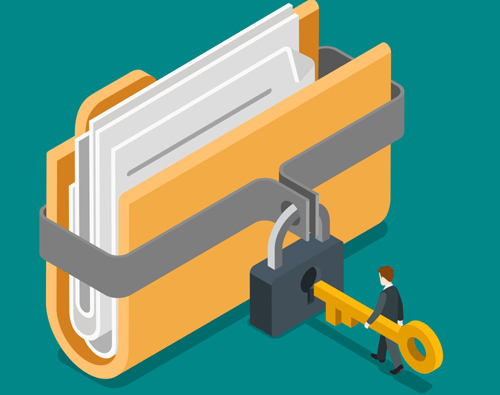
With a centralized document management solution, businesses gain better control over where documents are stored and who can access them.
2. Role-Based Access Control
One of the most important security features of a document management system is role-based access control. Administrators can define who can view, edit, download, or share documents based on user roles.
This ensures:
- Sensitive documents are only accessible to authorized users
- Internal data misuse is minimized
- Confidential business information remains protected
3. Document Audit Trails & Activity Logs
A secure document management system maintains audit trails that track every document activity, including:
- Who uploaded the document
- Who viewed or edited it
- When changes were made
- Access permission updates
Audit logs improve accountability and provide essential proof during internal audits or compliance checks.
4. Version Control & Data Integrity
Without version control, organizations risk working with outdated or incorrect documents. A document management system maintains a complete version history, allowing users to:
- Track document changes
- Restore previous versions
- Prevent unauthorized modifications
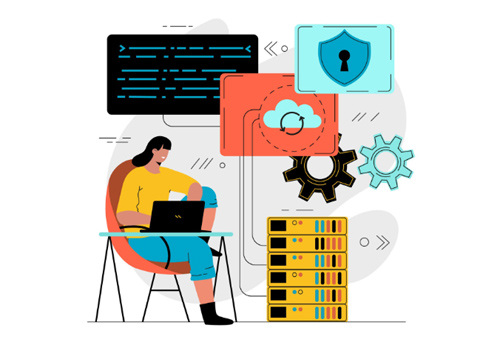
This ensures data accuracy and protects document integrity across the organization.
5. Secure Document Sharing
Emailing documents or using unsecured file-sharing platforms increases security risks. A document management system enables secure document sharing with controlled permissions, reducing exposure to external threats.
Secure sharing ensures sensitive files remain protected even when shared internally or externally.
How a Document Management System Ensures Compliance
1. Regulatory Compliance Support
Many regulations require strict document handling, retention, and tracking policies. A document management system helps organizations comply by:
- Maintaining complete document histories
- Enforcing access restrictions
- Supporting retention and review policies
This makes compliance audits faster and more reliable.

2. Automated Alerts & Reminders
Missed deadlines and expired documents can lead to compliance failures. A document management system sends automated reminders for:
- Document renewals
- Compliance reviews
- Expiry dates
These alerts help businesses stay compliant without manual tracking.
3. Secure Retention & Archiving
Compliance often requires documents to be retained for specific periods. A document management system supports secure archiving and controlled document retention, ensuring records are available when needed and deleted when no longer required.
4. Reduced Human Errors
Manual document handling increases the risk of errors, misplacement, and unauthorized access. By automating document workflows, a document management system minimizes human error and improves compliance accuracy.
Industries That Benefit Most from Secure Document Management
A secure document management system is essential for:
- Healthcare & Hospitals
- Banking & Finance
- Legal Firms
- Government & Public Sector
- IT & Software Companies
- Manufacturing & Engineering
These industries rely heavily on compliance, audit readiness, and data protection.
Why Choose Havteq Document Management System?
The Havteq Document Management System is designed to help businesses achieve maximum data security and compliance with features such as:
- Role-based access control
- Audit trails and activity tracking
- Secure document storage
- Version control
- Automated reminders
- User and role management
By using a secure document management system, organizations can protect sensitive data while improving productivity and operational efficiency.
👉 Learn more about our Document Management System here: Secure Document Management System
Conclusion
Data security and compliance are critical for modern businesses. A Document Management System provides the structure, security, and control needed to protect sensitive information and meet regulatory requirements.
By adopting a secure document management solution, businesses can reduce risks, improve compliance, and gain complete control over their digital documents.

